
Every blogger wants more visitors from search engines. Higher rankings bring more traffic, more leads, and more sales. The good news is that you do not need advanced SEO skills to improve your blog. A few simple blogging practices can help you rank higher and attract more readers.
In this guide, you will learn 10 easy blogging tips that can boost your organic SEO fast and help your website grow.
Choose the Right Keywords
Keywords help search engines understand your content. Before you write a blog post, find out what your audience searches for online.
Use keyword research tools to find popular search terms related to your topic. Focus on long-tail keywords because they have less competition and attract targeted visitors.
For example, instead of using “SEO,” use “easy SEO tips for bloggers” or “how to increase blog traffic.”
Place your main keyword naturally in the title, headings, introduction, and conclusion.
Write Helpful Content
People visit blogs to find answers and solutions. If your content helps readers, search engines will notice.
Write content that:
- Solves problems
- Answers common questions
- Gives useful tips
- Shares real examples
Avoid writing content only for search engines. Write for real people first. Helpful content keeps visitors on your website longer and improves your SEO performance.
Create Catchy Blog Titles
Your title is the first thing people see in search results. A strong title can increase clicks and bring more visitors to your website.
A good title should:
- Include your main keyword
- Explain the benefit
- Be easy to understand
For example:
10 Easy Blogging Tips to Boost Organic SEO Fast
This title tells readers exactly what they will learn and why they should click.
Use Clear Headings
Headings make your blog easier to read. They also help search engines understand your content.
Break your article into sections using:
- H1 for the main title
- H2 for main topics
- H3 for subtopics
Many people scan blog posts before reading them. Clear headings help them find the information they need quickly.
Optimize Your Images
Images make your blog more attractive and engaging. They can also help your SEO.
Follow these simple image SEO tips:
- Use high-quality images
- Add descriptive file names
- Write alt text for every image
- Compress images to improve loading speed
Fast-loading images improve user experience and help your website perform better in search results.
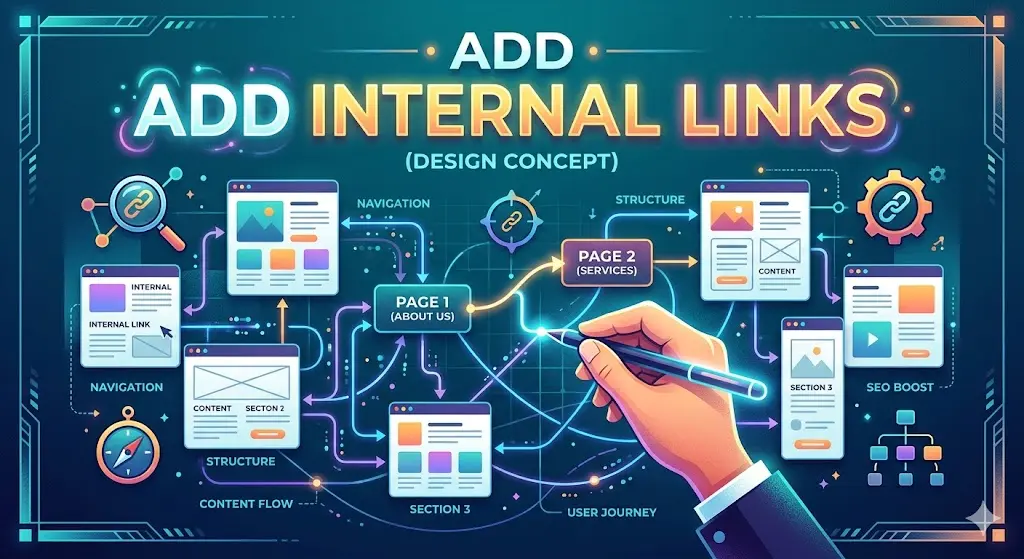
Add Internal Links
Internal links connect one page of your website to another.
For example, if you write about SEO and have another article about keyword research, link them together.
Internal links help:
- Visitors find more content
- Search engines crawl your website
- Increase page views
A strong internal linking strategy improves both user experience and SEO.
Link to Trusted Sources
External links point to other websites. When you link to trusted and reliable sources, you improve your content’s credibility.
Use external links when:
- Sharing statistics
- Quoting research
- Providing extra information
Choose reputable websites and avoid linking to low-quality sources.
Search engines value content that provides useful and trustworthy information.
Improve Website Speed
Nobody likes a slow website. Visitors often leave if a page takes too long to load.
You can improve website speed by:
- Compressing images
- Using a fast hosting service
- Removing unnecessary plugins
- Enabling browser caching
A faster website provides a better experience for visitors and helps improve search rankings.
Update Old Blog Posts
Many bloggers publish content and never update it again. This is a missed opportunity.
Search engines prefer fresh and updated information.
Review your older posts regularly and:
- Add new information
- Update statistics
- Fix broken links
- Improve readability
- Add new keywords
Updating old content can improve rankings without creating a completely new article.
Promote Your Blog Content
Publishing a blog post is only the first step. You should also promote it.
Share your content on:
- X (Twitter)
- Email newsletters
The more people see your content, the more chances you have to earn backlinks and social shares.
Backlinks remain one of the most important ranking factors in SEO.
Why Organic SEO Is Important
Organic SEO helps your website attract free traffic from search engines. Unlike paid ads, organic traffic continues to grow over time.
Benefits of organic SEO include:
- More website visitors
- Better brand awareness
- Higher trust and credibility
- More leads and sales
- Long-term growth
A well-optimized blog can bring traffic for months or even years after publication.
Common Blogging Mistakes to Avoid
Many bloggers make mistakes that hurt their rankings.
Avoid these common errors:
- Ignoring keyword research
- Writing low-quality content
- Using too many keywords
- Forgetting internal links
- Publishing duplicate content
- Ignoring mobile users
- Not updating old articles
Fixing these mistakes can improve your SEO results quickly.
Conclusion
Blogging remains one of the best ways to improve organic SEO and grow your website. You do not need complicated strategies to get results. At Expertsbytech, we focus on simple and effective methods that anyone can follow. Focus on creating useful content, choosing the right keywords, improving user experience, and updating your blog regularly.
Apply these 10 easy blogging tips consistently, and you will see better rankings, more traffic, and stronger online growth over time with Expertsbytech guiding your journey.
FAQs
1. How can I improve my blog SEO quickly?
Use the right keywords, create quality content, and improve website speed.
2. How often should I publish blog posts?
Publish consistently, whether weekly or monthly, to keep your website active.
3. Are keywords still important for SEO?
Yes, keywords help search engines understand your content and rank it correctly.
4. Do internal links help SEO?
Yes, internal links improve website navigation and help search engines crawl your content.
5. How long should an SEO blog post be?
Most SEO blog posts perform well when they contain 1,000 to 2,000 words of valuable content.
