Top 10 Future Technology Trends in 2026: AI, Gadgets & Innovations
By Devon Marsh · 2026-08-31T19:03:55.567+00:00 · 11 min read
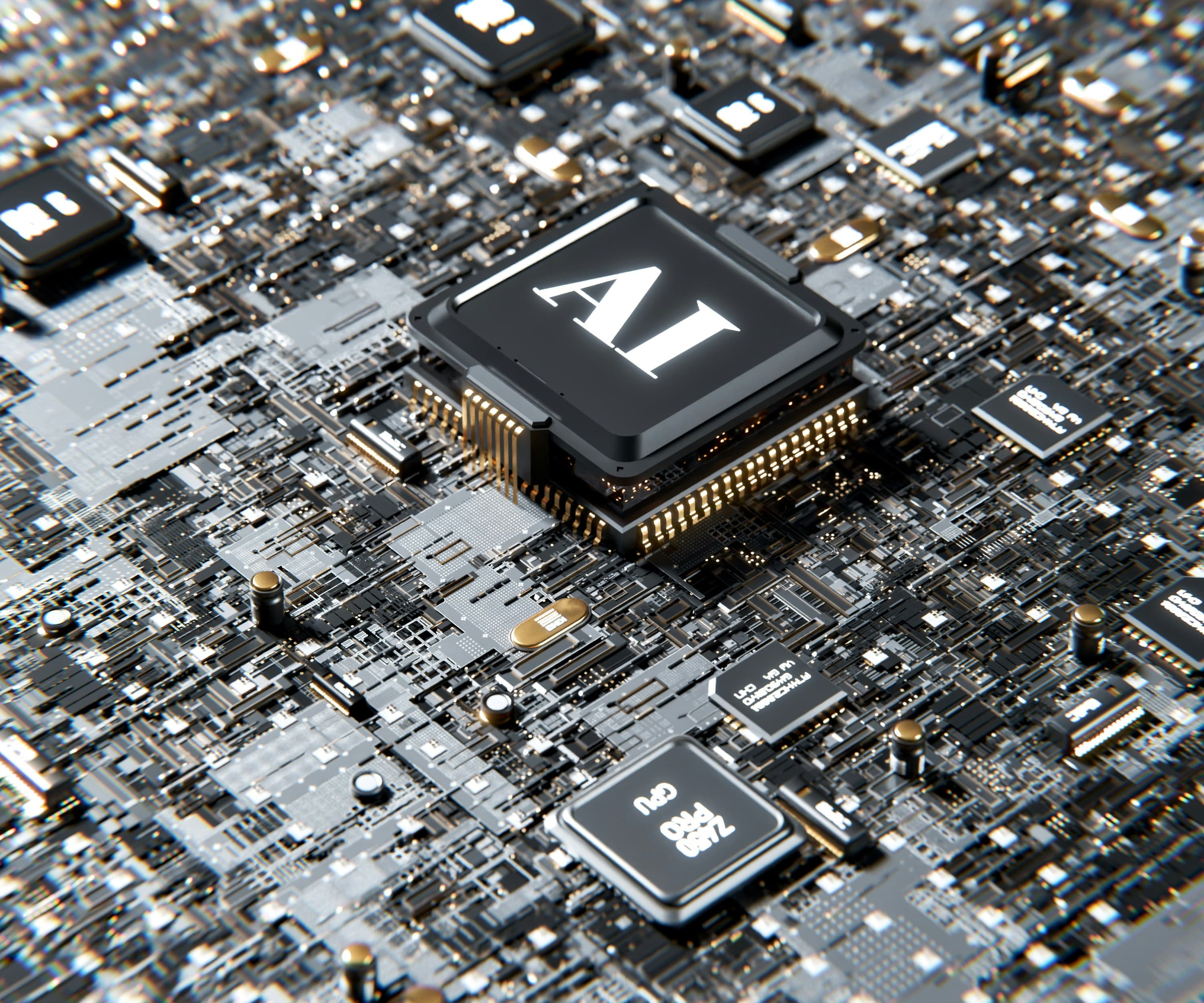
The future technology trends 2026 brings are changing how people work, create, shop, and live. Artificial intelligence is leading the shift, but it’s not the only major change. AI agents, smart gadgets, robots, quantum computing, and biotechnology are also moving forward. These technologies are becoming more useful in everyday life. Some are already here, while others are still taking shape.
What Are the Biggest Future Technology Trends 2026?
The biggest technology trends in 2026 focus on smarter software, connected devices, and automated systems. Artificial intelligence is moving beyond simple chat tools. It can now work with images, audio, video, code, and real-world data. At the same time, new hardware is helping AI run faster and closer to users.
Here are ten major trends worth watching in 2026:
Agentic AI and AI agents
Generative and multimodal AI
AI-native development
Edge and on-device AI
Physical AI and humanoid robots
Spatial computing
Quantum computing
Post-quantum cryptography
Biotechnology innovation
Next-generation AI hardware and infrastructure
These trends are closely connected. Better AI needs better chips and infrastructure. Better hardware makes on-device AI more practical. Stronger AI also creates new needs for cybersecurity and privacy.
How Is Agentic AI Changing Technology in 2026?
Agentic AI is one of the most important future technology trends 2026 is bringing to businesses and consumers. Unlike a basic chatbot, an AI agent can handle a series of tasks. It can plan actions, use software, gather information, and respond to changing situations. The goal is simple: let AI complete work instead of only answering questions.
What Can AI Agents Actually Do?
AI agents can help manage calendars, research information, write code, analyze documents, and handle routine business tasks. Some systems can also interact with websites and business applications. This makes AI automation much more useful than traditional automation.
For example, an AI agent could receive a customer request and take several steps. It might check an account, find the right information, prepare a response, and update a system. A person can then review the result before anything important happens.
This approach could change office work. Employees may spend less time moving information between tools. They can focus more on decisions, relationships, and creative work.
Why Are Generative AI and Multimodal AI Growing?
Generative AI creates new content from instructions. It can produce text, images, audio, video, software code, and other digital content. In 2026, technology is becoming more connected to everyday software. It’s moving from a separate tool into products people already use.
Multimodal AI is a major part of this change. It can understand different types of information together. A system may process text, images, speech, video, and documents in one workflow.
How Do Large Language Models Fit In?
Large language models, or LLMs, remain an important part of modern AI. They help systems understand language and generate useful responses. Newer models are also becoming better at following complex instructions.
Foundation models provide another layer. These models can support many different applications instead of serving one narrow purpose. Companies can build specialized tools on top of them.
The next step is machine reasoning. AI systems are being designed to handle more complex problems and multi-step tasks. They still make mistakes, so human review remains important. But stronger reasoning could make AI useful for more demanding work.
What Is AI-Native Development?
AI-native development means building software around AI from the start. It’s different from adding an AI feature to an existing application. The entire product can be designed around intelligent systems, automation, and natural interaction.
Developers are already using AI tools to write, test, explain, and improve code. This can speed up parts of the software development process. It can also help smaller teams build products faster.
AI-native development may also change how people interact with software. Instead of opening several menus, users may simply describe what they want. The system can then complete the task or guide them through it.
That doesn’t mean developers will disappear. Software still needs testing, security, architecture, and human judgment. AI changes the workflow rather than removing the need for skilled people.
Why Are Edge AI and On-Device AI Becoming Important?
Edge AI allows artificial intelligence to process data closer to where it is created. On-device AI takes this idea further by running AI directly on phones, computers, vehicles, cameras, and other devices.
This can reduce the need to send every piece of data to the cloud. That can improve response times and help with privacy. It can also make AI available when internet access is limited.
What Devices Can Use On-Device AI?
Smartphones are a clear example. Modern devices can perform tasks such as image processing, speech recognition, translation, and personal assistance locally.
Cars, security cameras, industrial machines, and wearable devices can also use edge AI. These systems often need quick responses. Sending every action to a distant server may create delays.
As chips become more efficient, more AI workloads can move onto personal devices. This could make AI feel less like a separate service and more like a normal part of technology.
How Will Physical AI and Humanoid Robots Change Work?
Physical AI connects intelligent software with machines that can interact with the physical world. It includes robots, autonomous machines, smart vehicles, and industrial systems.
Humanoid robots are attracting particular attention because their shape can work in environments designed for people. A human-like robot could potentially use existing doors, tools, shelves, and workspaces.
The technology is still developing. Robots need to understand their surroundings and move safely. They also need better batteries, sensors, motors, and AI systems.
Still, physical AI could have a major impact on manufacturing, warehouses, logistics, healthcare, and other industries. The biggest gains may come from repetitive or physically demanding tasks.
What Is Spatial Computing and Why Does It Matter?
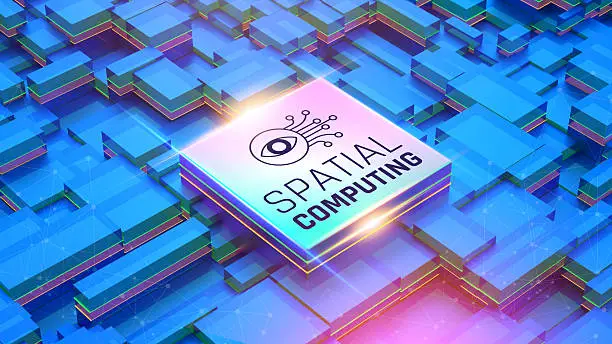
Spatial computing blends digital content with physical surroundings. It includes technologies such as augmented reality, virtual reality, and mixed reality.
Instead of viewing everything on a flat screen, users can interact with digital objects in three-dimensional space. This can make information easier to understand in some situations.
Businesses can use spatial computing for training, design, product demonstrations, and remote collaboration. Consumers can use it for gaming, entertainment, education, and creative work.
Better headsets, sensors, cameras, and AI could make these experiences more natural. The challenge is still comfort, price, battery life, and everyday usefulness.
Could Quantum Computing Become a Major Technology Trend?
Quantum computing is a different approach to computing. It uses quantum systems to solve certain types of problems in ways traditional computers cannot easily match.
Quantum machines aren't expected to replace normal computers. Instead, they could work alongside them for specialized tasks.
Potential uses include materials research, chemistry, optimization, and scientific modeling. Financial services and cybersecurity are also watching the field closely.
The technology still faces major engineering challenges. Quantum systems are sensitive to errors and often require complex environments. That means widespread commercial use will take time.
Still, progress in quantum computing matters because it could solve problems that are difficult for today's systems.
Why Is Post-Quantum Cryptography Important?
Quantum computing creates a cybersecurity challenge. Some powerful quantum computers could eventually threaten widely used encryption methods.
Post-quantum cryptography aims to protect digital systems against that future risk. It uses cryptographic methods designed to resist attacks from quantum computers.
This matters even before large-scale quantum machines become available. Sensitive information can remain valuable for years. Attackers may also collect encrypted data today and try to break it later.
Organizations are therefore looking at how to update their security systems. The transition can take years because encryption is built into many products and services.
Post-quantum security may not be visible to everyday users. However, it could become one of the most important technology changes happening behind the scenes.
How Could Biotechnology Innovation Shape the Future?
Biotechnology is another major area to watch in 2026. Advances in computing, AI, genetics, and laboratory technology are helping researchers study biology faster.
AI can help researchers analyze large biological datasets and identify useful patterns. It can also support drug research and protein analysis.
This combination of AI and biotechnology could improve how scientists understand diseases and develop treatments. It may also support new approaches to agriculture, food production, and environmental challenges.
The field needs careful testing and strong oversight. Biological systems are complex, and laboratory results don't always translate directly into real-world outcomes.
Even so, biotechnology innovation could have effects far beyond healthcare. It may become an important part of the next wave of scientific and technological progress.
What Role Will AI Hardware and Infrastructure Play?
AI needs powerful hardware and reliable infrastructure. Modern AI systems require large amounts of computing power, memory, storage, and energy.
AI hardware includes specialized processors designed to handle AI workloads efficiently. These chips can be used in data centers, laptops, smartphones, vehicles, and other devices.
At the same time, AI infrastructure is becoming a major technology market. Companies need data centers, networking systems, cooling equipment, cloud platforms, and software tools to support AI.
This infrastructure is easy to overlook because most users never see it. Yet it determines how quickly AI services can run and how affordable they become.
Better hardware could also make smaller AI models more practical. That supports edge AI and on-device AI while reducing reliance on large cloud systems.
Which Future Technology Trends Will Affect Everyday Life Most?
The biggest everyday changes may come from technologies that quietly become part of existing products. AI assistants, smart devices, automated software, and on-device processing are strong examples.
You may not always know that AI is working in the background. A phone can summarize information. A camera can improve photos automatically. Software can help write an email or organize information.
AI agents could make the change even bigger. Instead of asking software for information, users may ask it to complete tasks.
Robots and spatial computing could have a more visible impact. However, their adoption may depend heavily on cost and practical value.
The most important trend isn't necessarily the most futuristic one. Technologies that solve everyday problems are more likely to become widely adopted.
What Should Businesses Watch in 2026?
Businesses should focus on useful technology rather than chasing every new trend. AI can improve productivity, customer service, software development, research, and data analysis.
Companies should also consider privacy and security. AI systems often handle sensitive information. Poor data controls can create serious problems.
Another key issue is workforce training. Employees need to understand how AI tools work and where human judgment is still needed.
Businesses should also watch AI agents, edge AI, and AI-native development. These areas could change how companies build software and organize routine work.
The winners may not simply be companies using the most AI. They may be the ones using it carefully and solving real problems.
What Can We Expect From Technology After 2026?
Technology will likely become more connected, intelligent, and automated. AI will continue to influence software, hardware, robotics, and scientific research.
Some trends will grow quickly. Others may take many years to reach the mainstream. That’s normal for emerging technology.
The important shift is that these technologies are starting to work together. AI can improve robots. Better chips can run AI locally. Quantum research can influence cybersecurity. Biotechnology can use AI for complex scientific work.
This combination could create opportunities that are difficult to predict today. For consumers and businesses, staying informed will become increasingly important.