How to Rank on Google in USA: Complete SEO Guide 2026
By Devon Marsh · 2026-08-31T21:14:06.714+00:00 · 11 min read
Learning how to rank on Google in the USA takes more than adding keywords. You need useful content, strong website SEO optimization, technical health, and a clear Google SEO strategy. This guide explains how Google search rankings work and what you can do to build steady organic search traffic in 2026. It also covers keyword research, search intent, Core Web Vitals, backlinks, AI Overviews, Google Business Profile, Google Analytics, Search Console, and Googlebot.
How to Rank on Google in USA in 2026?
To rank on Google in USA, start by matching your website with what American searchers need. Your pages should answer real questions and provide information people can trust. Google also needs to crawl, understand, and index your content correctly.
There isn't one trick that guarantees a top position. Google uses many signals to decide which pages are useful for a search. Your goal should be to build a website that works well for both people and search engines.
Start with these core areas:
Keyword research
Search intent
Helpful content
On-page SEO
Technical SEO
Page speed optimization
Internal linking
High-quality backlinks
Local SEO
Search performance tracking
Google also says SEO changes can take time to show results. Some changes may appear quickly, while others can take weeks or months.
What Is a Google SEO Strategy?
A Google SEO strategy is a planned approach to improving your website's visibility in organic search. It combines content, keywords, technical improvements, links, and performance tracking. A good strategy starts with your audience instead of search engines alone.
For a USA-focused website, your strategy should consider how people search across different states and markets. Search behavior can vary by location, industry, and device.
Build your strategy around five questions:
What does my audience search for?
What does each searcher want to find?
Which pages already perform well?
What useful information is missing?
What can my website do better?
This approach helps prevent random SEO work. It also makes your content plan easier to manage.
How Does Keyword Research Help Google Rankings?
Keyword research shows the words and phrases your audience uses in Google. It helps you understand demand before you create a page. Good research also reveals related topics, questions, and problems that your content should address.
Don't focus only on keywords with huge search volume. A highly specific phrase can bring fewer visitors but better leads.
For example, a business might target:
SEO services for small businesses
website SEO optimization services
local SEO services in Boulder
how to improve organic search traffic
Google ranking tips for small businesses
Group related keywords by topic. Then create pages that cover the topic naturally instead of repeating the same phrase.
Why Does Search Intent Matter for SEO?
Search intent is the reason behind a Google search. Understanding intent helps you create the right type of page for each query. If your content doesn't match what people want, strong keywords alone won't save it.
Most searches fall into a few common groups:
Informational: The user wants an answer.
Commercial: The user is comparing options.
Transactional: The user is ready to take action.
Navigational: The user wants a specific website or brand.
Before writing, search your target keyword yourself. Look at the results Google shows. Notice the content types, questions, and topics covered.
Then create something that answers the same need in a clearer or more useful way.
How Does Website SEO Optimization Improve Search Rankings?
Website SEO optimization helps Google understand your pages and helps visitors use your site. It includes page titles, headings, URLs, internal links, images, structured data, and technical settings. Strong optimization also makes important pages easier to discover.
Every important page should have a clear purpose. Your title should explain what the page offers. Headings should make the content easy to scan.
Use your main keyword where it makes sense. Add related terms only when they improve clarity.
Your pages should also have:
Clear page titles
Useful meta descriptions
Simple URLs
Descriptive headings
Relevant internal links
Helpful image descriptions
Original information
Easy navigation
Avoid creating pages only to target slightly different versions of one keyword. That can create thin or repetitive content.
How Should You Build Internal Links?
Internal links connect related pages on your website. They help visitors find more information and help Google understand your site's structure. They can also help important pages receive more attention within your site.
Link naturally between related topics.
For example, a page about SEO services could link to pages about keyword research, technical SEO, content strategy, and local SEO.
Use descriptive anchor text. Avoid using "click here" for every link.
A simple website structure is often easier to manage:
Homepage Service pages Supporting guides Detailed resources
This structure gives users clear paths through your content.
How Important Is Page Speed Optimization?
Page speed optimization matters because visitors expect websites to respond quickly. Slow pages can create a poor experience, especially on mobile devices. Google also considers page experience as part of its broader search systems.
Start by testing your most important pages. Look for large images, unnecessary scripts, slow servers, and other elements that delay loading.
Useful improvements include:
Compressing images
Using modern image formats
Removing unnecessary plugins
Reducing unused JavaScript
Improving server response time
Using browser caching
Limiting third-party scripts
Don't optimize speed only for a score. Focus on making the site faster for real visitors.
What Are Core Web Vitals?
Core Web Vitals are metrics that measure important parts of page experience. They focus on loading performance, responsiveness, and visual stability.
The main metrics include:
Largest Contentful Paint (LCP): Measures loading performance.
Interaction to Next Paint (INP): Measures responsiveness.
Cumulative Layout Shift (CLS): Measures visual stability.
Check these metrics regularly. A page that jumps while loading or responds slowly can frustrate users.
Technical improvements should support the whole website. Don't sacrifice useful content just to chase a perfect performance score.
How Can High-Quality Backlinks Improve Google Search Rankings?
High-quality backlinks are links from other websites to your pages. They can help your website build authority and become more discoverable. However, the quality and relevance of links matter more than collecting large numbers of links.
A useful backlink usually comes from a relevant and trustworthy website. For example, a local business may benefit from links from respected local organizations, industry publications, suppliers, or professional associations.
Focus on earning links through useful assets.
You could create:
Original research
Local industry reports
Useful calculators
Expert interviews
Detailed guides
Data studies
Free resources
Avoid buying large numbers of low-quality links. Don't build links just to manipulate rankings.
Google states that its search systems are designed to find useful and relevant content, while spam tactics can hurt a site's visibility.

How Can You Use AI Overviews for SEO?
AI Overviews have changed how people interact with Google Search. They can provide AI-generated answers while also showing links to relevant websites. The good news is that you don't need a separate SEO system just for AI Overviews.
Google's current guidance says traditional SEO fundamentals remain important for AI search features. Pages still need to be crawlable, indexable, useful, and eligible for normal Search results.
Create content that answers questions clearly. Add original details that aren't found across every competing page.
Strong content should:
Answer the main question quickly
Explain important details
Use clear headings
Include relevant examples
Provide original insights
Support claims with reliable information
Stay focused on the reader
Don't create content around supposed AI hacks. Google specifically recommends focusing on helpful, unique, people-first content instead.
How Does Local SEO Help You Rank in the USA?
Local SEO helps businesses appear when people search for services in a specific area. This matters for businesses serving cities, neighborhoods, and local markets across the USA.
If your business serves Boulder, for example, your website can create useful local content around services and customer needs in Boulder. Don't simply add the city name to every sentence. Give people information that actually relates to the area.
Your local SEO plan should include:
An accurate Google Business Profile
Consistent business information
Location-specific service pages
Customer reviews
Local backlinks
Useful local content
Relevant business categories
Google says local results mainly consider relevance, distance, and prominence. Complete and accurate Business Profile information can help Google match a business with relevant searches.
How Should You Optimize a Google Business Profile?
Your Google Business Profile should contain accurate and complete business information. Keep your business name, category, hours, address, services, and other details updated.
Reviews also matter to customers. Respond to reviews helpfully and professionally.
Add real photos when they help customers understand your business. Keep the profile active and accurate instead of filling it with unnecessary keywords.
Google recommends keeping Business Profile information complete and up to date for local visibility.
How Do Google Analytics and Search Console Help SEO?
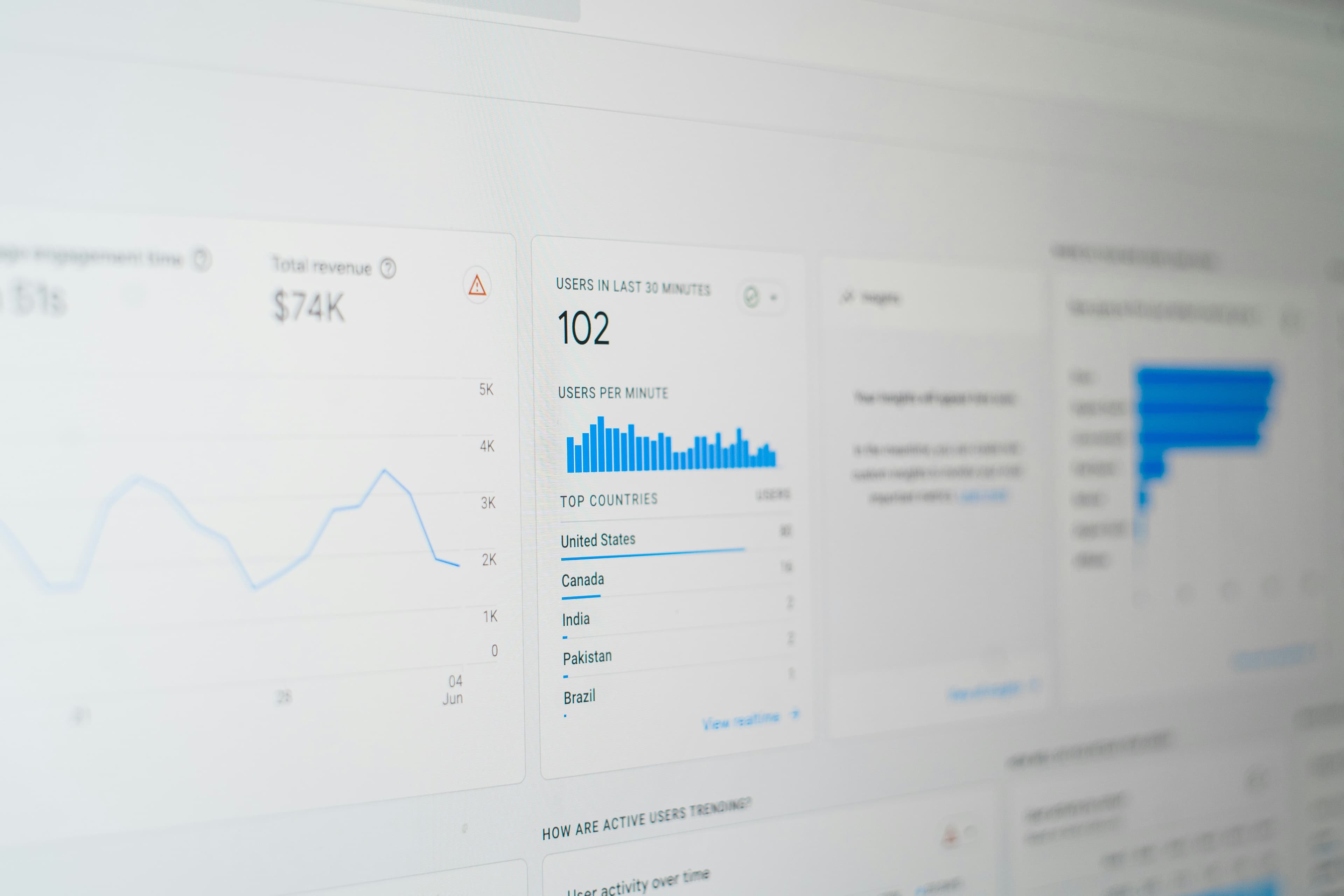
Google Analytics and Google Search Console serve different purposes. Analytics helps you understand what visitors do after reaching your website. Search Console focuses on your performance and visibility in Google Search.
Use Search Console to monitor:
Search queries
Impressions
Clicks
Click-through rates
Indexed pages
Search visibility
Technical issues
Use Google Analytics to study:
Traffic sources
Engagement
Conversions
Landing pages
User behavior
Together, these tools give you a better picture of SEO performance.
Don't judge SEO only by traffic. A smaller amount of relevant traffic can be more valuable than thousands of visitors who never become customers.
How Does Googlebot Find and Understand Your Website?
Googlebot is Google's web crawler. It visits publicly available pages and follows links to discover content. Google then processes and indexes eligible pages before deciding when they may appear in Search.
Make sure Googlebot can access important pages. Check your robots.txt file, internal links, redirects, and indexing settings.
Google also recommends using Search Console's URL Inspection tool when you need to check how Google sees a page.
A sitemap can also help Google discover important URLs. It isn't a guarantee of indexing, but it can support site discovery.
What SEO Mistakes Can Stop Your Google Rankings?
Several common mistakes can slow SEO growth. The biggest problem is usually creating content without a clear purpose. Pages should exist because they help users, not simply because they contain keywords.
Watch for these issues:
Duplicate or thin content
Keyword stuffing
Slow pages
Broken internal links
Poor mobile usability
Weak search intent matching
Unclear website structure
Low-quality backlinks
Missing important pages
Outdated information
AI-generated content needs extra care too. Google says using AI isn't automatically a problem, but producing large amounts of low-value content without adding useful information can violate its spam policies.
How Long Does It Take to Rank on Google in USA?
There is no fixed timeline for Google rankings. A new website may need months to build visibility, while an established site can see some changes sooner. Competition, website authority, content quality, technical health, and search demand all affect the timeline.
Don't expect one optimization to transform your rankings overnight.
Instead, track progress over several weeks and months. Improve pages based on real search data. Update content when information changes. Build useful links and keep fixing technical problems.
SEO works best as an ongoing process.
What Is the Best Google SEO Strategy for 2026?
The best Google SEO strategy combines useful content with a technically sound website. Start by understanding your audience and the searches that matter to your business. Then build pages that satisfy those searches better than existing alternatives.
Your 2026 SEO checklist should include:
Research keywords and search intent
Create original, useful content
Improve website SEO optimization
Strengthen internal links
Improve page speed
Monitor Core Web Vitals
Earn relevant backlinks
Optimize local visibility when needed
Maintain your Google Business Profile
Monitor Search Console
Review Google Analytics data
Make important pages easy for Googlebot to crawl
Track visibility in AI search features
Google's 2026 guidance continues to emphasize unique, valuable content and strong SEO foundations. There are no special AI shortcuts that replace those basics.